E
The System That Knows Which Tool to Pick
A working shop is not built around one perfect tool. It is built around knowing which tool to use for which job. The same idea explains where business AI is actually becoming useful.
A good shop does not revolve around one perfect tool.
That sounds obvious, but it is easy to forget when the tool is new.
Every time a new technology gets loud enough, people start talking about it like it is magic. The whole conversation narrows down to the object itself. Which one is best? Which one is fastest? Which one is smartest? Which one replaces the most people?
I understand why that happens. A new tool draws attention to itself before it disappears into the work.
The old shop had a different logic
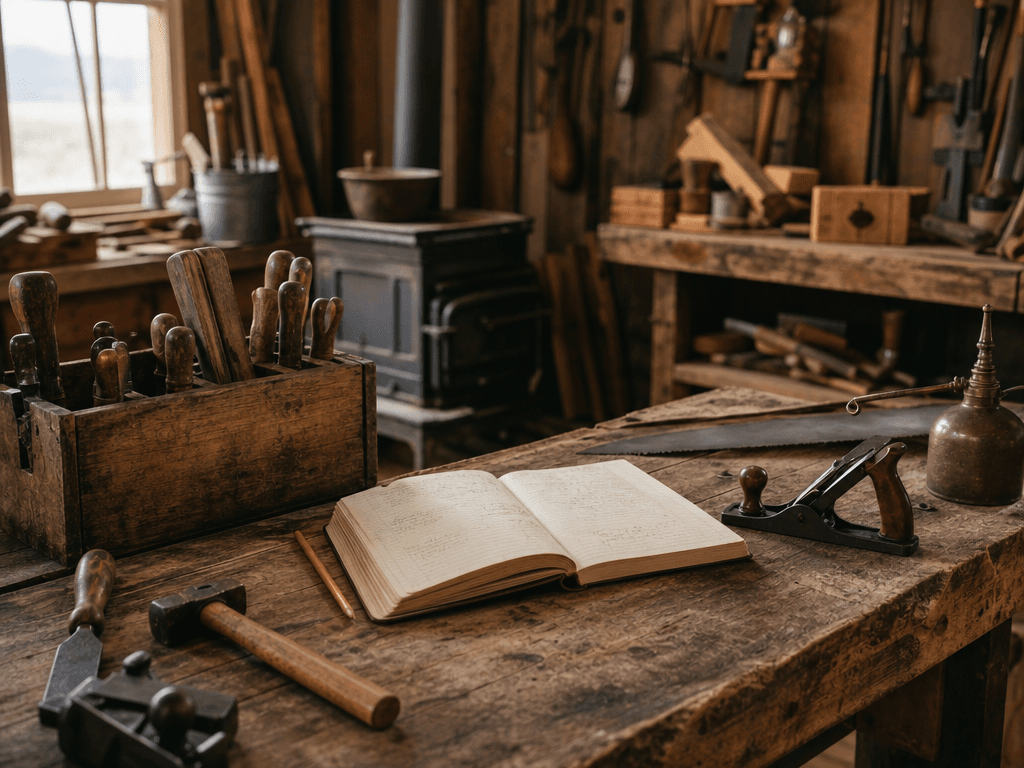
When I think about tools, I still think about my grandfather’s garage.
It was not a showroom. It was not arranged for anyone’s convenience but his own. There were tools that had been used for decades, tools that had been modified, tools that only made sense if you knew the job they were built for. A wrench was not just a wrench. A saw was not just a saw. The useful thing was knowing which one belonged in your hand at that moment.
That kind of knowledge is hard to explain until you see it. Someone who knows the work does not stand in front of the bench wondering which tool is impressive. He reaches for the one that fits.
A working shop is not built around one perfect tool. It is built around knowing which tool to use for which job.
That is the part people miss about AI
Most of the public conversation around artificial intelligence still sounds like a contest.
One model writes better. Another reasons better. Another is cheaper. Another is faster. One is better with code. One is better with images. One is better at long context. One is better at being careful.
Those comparisons are useful, but they are not the whole picture. They are like arguing over the best tool in the shop without asking what kind of work is on the bench.
A business does not need one magical machine that does everything. It needs a system that understands the work well enough to route the right task to the right capability.
Orchestration is the useful layer
That is what I mean by orchestration.
Orchestration is not a flashy word for automation. It is the practical layer that decides what needs to happen next, what information matters, which tool should handle which piece, and how the result should come back into the flow of work.
A person does this naturally when they know a business. They remember the customer, the project, the last conversation, the file location, the deadline, the tone of the email, and the little exception that never made it into the documentation.
The problem is that human beings can only carry so much of that at once. Context gets scattered. Decisions live in inboxes. Processes live in someone’s head. The work still gets done, but it depends too much on memory, habit, and interruption.
The value is not the tool by itself
This is why I do not think the future of business AI is just about picking a model.
The model matters. The tool matters. But the more important question is whether the system understands where that tool fits in the work.
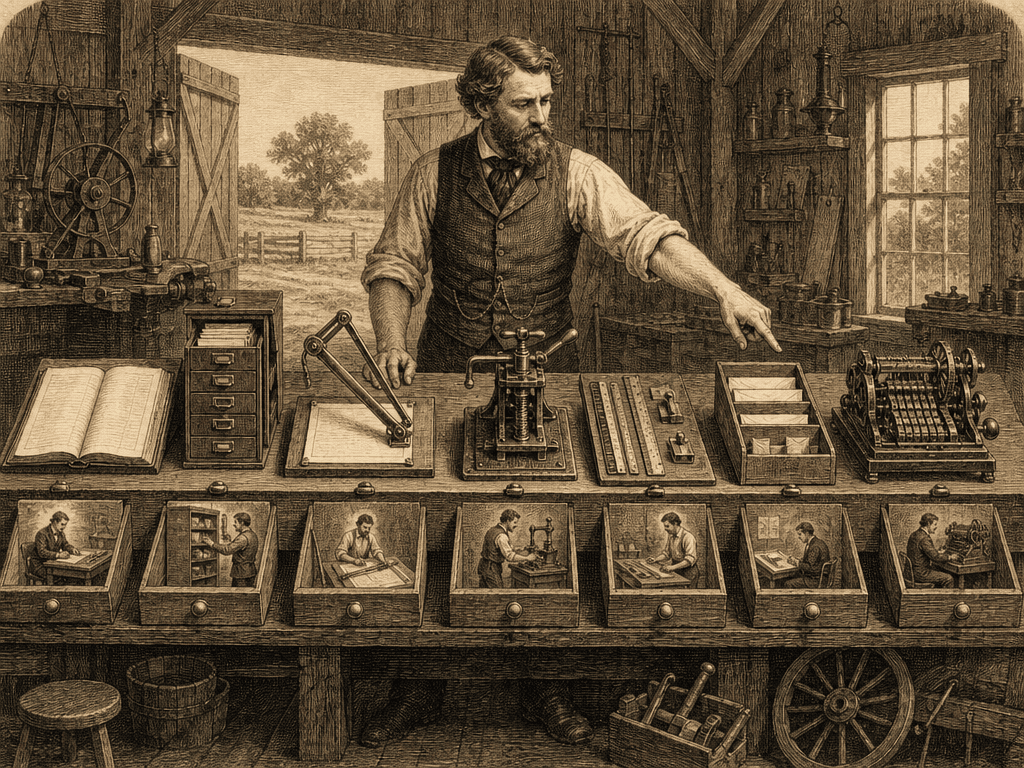
A hammer is useful. A saw is useful. A ledger is useful. A filing cabinet is useful. None of them become a shop until someone understands the relationship between them.
The same is true here. Writing, searching, remembering, summarizing, scheduling, checking, drafting, organizing — those are all different kinds of work. Treating them like one generic chat box misses the point.
Small businesses feel this first
Large companies can hide inefficiency behind staff, departments, consultants, and software budgets. Small businesses cannot.
In a small business, the same person often holds the customer history, the sales pipeline, the project notes, the files, the invoices, and the plan for what has to happen next. That person may be the owner. It may be the office manager. It may be the one employee who quietly knows how everything actually works.
That is fragile. Not because people are unreliable, but because people are overloaded.
The promise of AI, to me, is not replacing that person. It is giving the work a better operating surface so the person does not have to carry everything alone.
The useful future will be quieter
The best tools usually become less interesting as they become more useful.
Electricity is not exciting when you flip a switch. A browser is not exciting when you look something up. A good calendar is not exciting when it reminds you to be somewhere. That is the point. The tool has settled into the work.
I think AI is heading the same direction.
The impressive part will not be a demo where one model answers one prompt. The useful part will be the quiet system underneath the business that knows what has happened, knows what needs attention, and knows which tool belongs on the bench next.
That is not magic.
That is just how good work gets done.